


Why Some Family Homes Make More Money Than Others — And What Parents Should Learn Before Buying
- Grace K

- 5 days ago
- 4 min read
Published by Grace K | Real Estate
Buying a home is one of the biggest decisions parents make.
It is not just about choosing a nice place to live. It is about picking a home that is safe, convenient, suitable for your children, and hopefully a smart financial move too.
We recently looked at three homes in Singapore — Hundred Palms Residences, Riverfront Residences, and Tampines Trilliant — that did very well in value over time. In simple words, many people who bought these homes earlier were able to sell them later for a good profit.
But what does that really mean for parents?
The real lesson is not “go buy these exact homes.” The real lesson is this: some homes become more valuable because they match what families truly need.
What Happened With These Homes?
These three developments got attention because they became worth much more after some time.
Why?
Because they had things many families want:
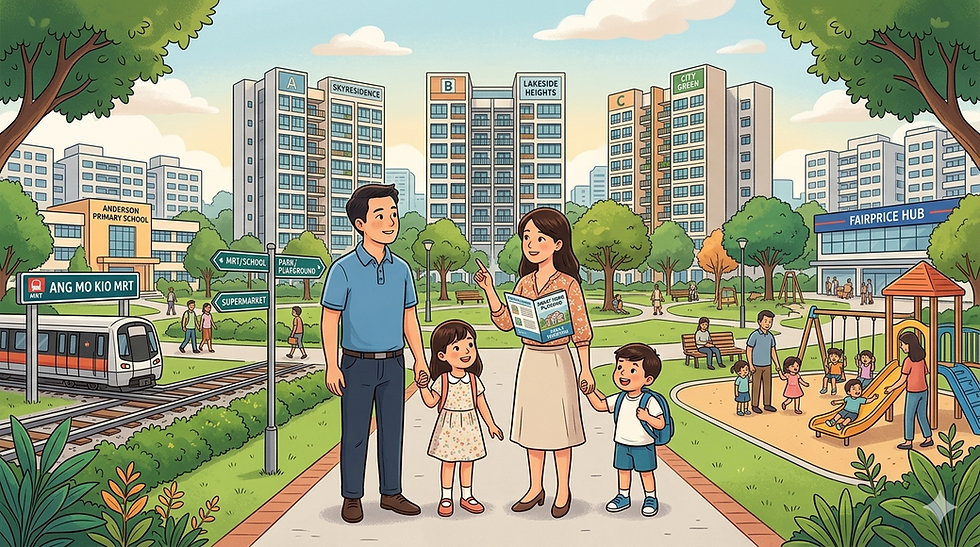
near schools
convenient transport
useful amenities nearby
good space for family living
strong appeal to HDB upgraders and parents
This made them attractive not just to investors, but to everyday families.
That is why demand stayed strong.
Why This Matters to Parents
If you are a parent, this affects you in a very practical way.
When you buy a home, you are not only spending money on the present. You are also shaping:
your child’s daily routine
your travel time to school or work
your monthly financial stress
your family’s future options
A home in the right place can make life easier every day.
For example:
shorter school journeys
easier access to childcare
less time stuck in traffic
more nearby food, shops, clinics, and parks
better chance of holding value if you need to sell later
So yes, property value matters. But for parents, daily convenience matters just as much.
The problem is simple: good family homes are expensive.
Many parents today are asking:
Should we upgrade now?
Should we stretch our budget for a better location?
Should we choose a smaller condo or a bigger HDB?
Is this home good for our children, or are we just afraid of missing out?
This is where many families get stuck.
Sometimes, parents see stories about people making big profits from property and feel pressured to act fast. But buying in a rush can lead to the wrong choice.
A home may look like a “good investment,” but if it causes financial stress every month, it may not be the right home for your family.
What Parents Should Really Look Out For
Instead of asking only, “Will this home go up in price?” parents should ask simpler and more useful questions:
1. Will this home make family life easier?
Think about:
Is it near your child’s school?
Is transport easy?
Are supermarkets, clinics, and food nearby?
Is there enough space for your children as they grow?
If the answer is yes, that home may be more practical for daily life.
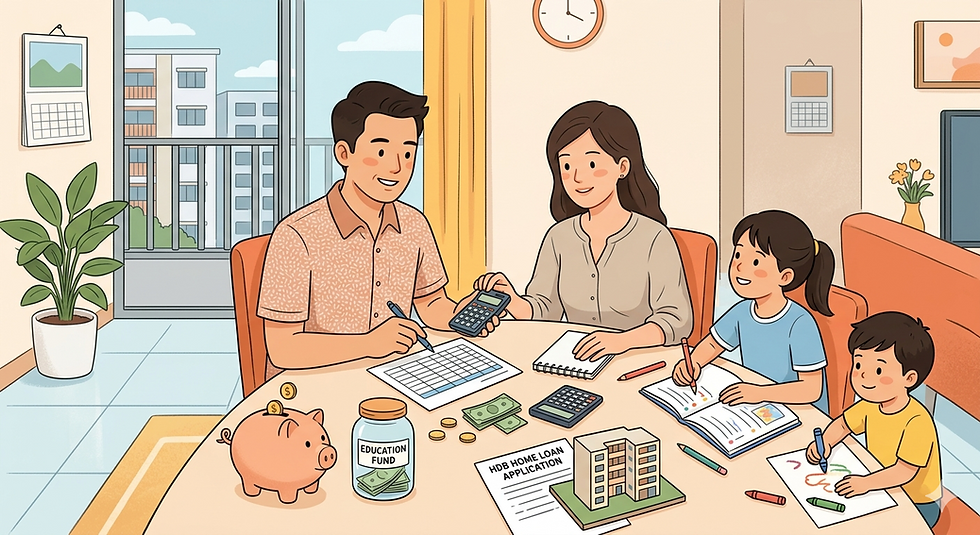
2. Can we truly afford it without stress?
Do not just look at the purchase price.
Also think about:
monthly loan payments
maintenance fees
renovation costs
childcare and school expenses
emergency savings
A home should support your family, not make life harder.
3. Will people still want this home in the future?
Homes that are convenient for families usually stay in demand.
That means when you want to sell one day, other buyers may also find it attractive.
This is one reason the homes mentioned in the article performed well.
For everyone, especially parents, the impact is clear:
It changes how you should think about “value”
A valuable home is not just one that can sell for more later.
A valuable home is also one that:
saves you time
reduces daily stress
supports your child’s routine
fits your budget
Just because one project made money does not mean every new launch will do the same.
The market changes. Prices change. Interest rates change.
What worked for someone else may not work for your family today.
Homes near schools, transport, and amenities are not just easier to live in. They are also often easier to sell later.
That is useful knowledge for any buyer.
Here are simple ways parents can apply this immediately before making a housing decision:
Make a “family needs” checklist
Before looking at prices, write down what your family really needs:
number of bedrooms
distance to school
distance to work
nearby childcare
nearby clinic or supermarket
safe environment
room for children to grow
This helps you focus on what matters.
Check the monthly cost, not just the price
Many buyers focus too much on the total price.
Instead, ask:
What will we pay every month?
Can we still manage if one major expense comes up?
Will we still have savings after paying for the house?
This gives a more realistic picture.
Visit the area like a parent, not like an investor
Go to the neighbourhood and ask:
Is it walkable with children?
Is it too crowded?
Are there parks or family spaces nearby?
Would school mornings here be tiring?
This helps you judge the home based on real life.
Think long term
Do not only ask, “Can we live here now?” Also ask:
Can we still live here comfortably in 5 years?
What happens when the children are older?
Will this home still suit our family then?
Here are the biggest lessons parents can take from this:
Homes that meet family needs often do better over time.
Good locations matter because they make daily life easier.
A profitable home is nice, but a manageable home is even more important.
Parents should not buy based on fear or hype.
The best home is one that fits both your family life and your budget.
The story behind Hundred Palms Residences, Riverfront Residences, and Tampines Trilliant is not just about making money from property.
For parents, the deeper lesson is much simpler:
A home that works well for family life often becomes a smarter long-term choice too.
So if you are thinking about buying, upgrading, or even just planning ahead, do not start by asking, “Which home will make the most profit?”
Start by asking:
Which home will help my family live better — without causing financial stress?
That is usually the decision that makes the most sense, both now and later.


Comments